
Temples
Daily bhoga, Sunday feasts and festivals that bring ten times the usual count — planned from one recipe book and one stock.
For temples
PreetiBhojan began in a temple kitchen, with the people who plan the menus, cut the vegetables and keep the godown. It is built for kitchens like theirs.
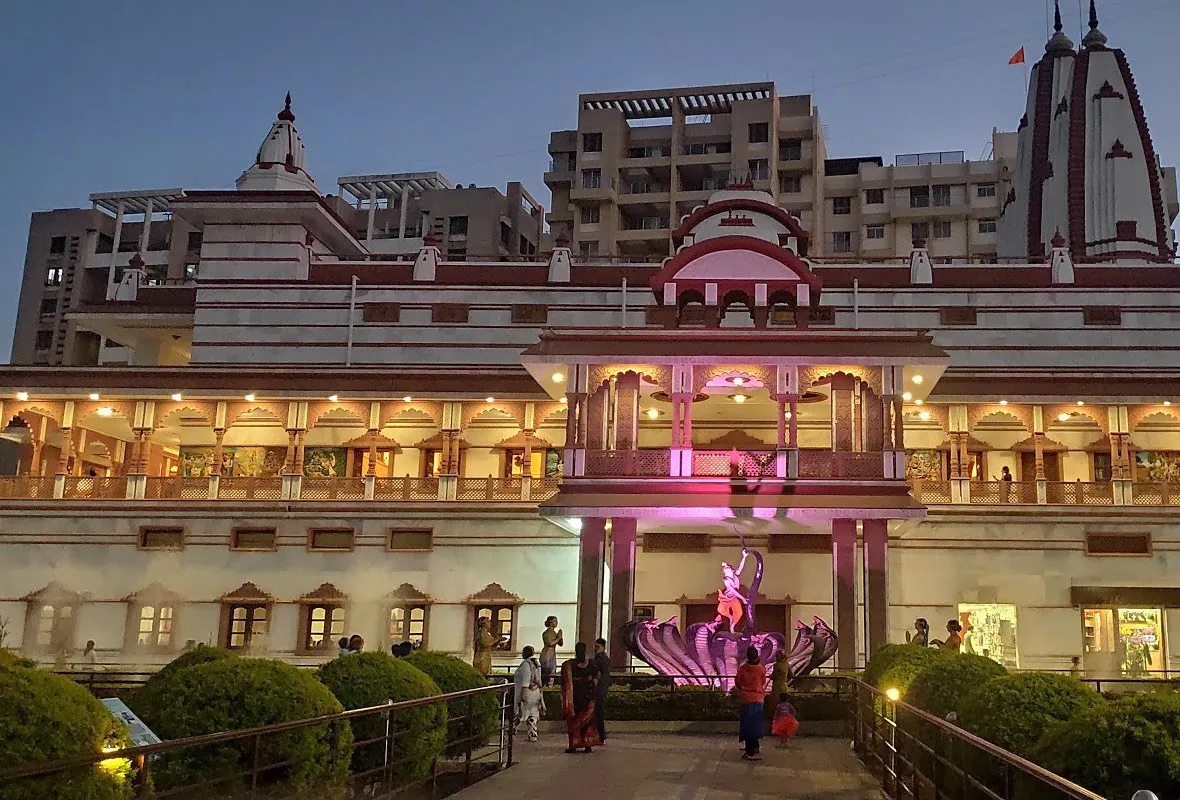
Our story
Temple kitchens cook for residents, guests, gurukula students and festival crowds — often thousands of plates a day, with sevaks who change from week to week. For years that ran on registers, WhatsApp messages and the memory of a few experienced cooks.
PreetiBhojan Seva puts all of it in one place: the recipes everyone agrees on, the counts for each meal, the stock in every godown and the purchases that keep it full. The kitchen spends less time calculating and more time cooking with devotion.
Who it is for
Daily bhoga, Sunday feasts and festivals that bring ten times the usual count — planned from one recipe book and one stock.
Free-meal programmes that feed thousands a day and must account for every donated kilo of rice and dal.
Residential kitchens with steady counts, many sevaks on rotation and a need for consistent, sattvic meals.
Several kitchens, godowns and departments under one organisation, each seeing only what it should.
What we believe
Every screen was shaped by kitchen managers, cooks and storekeepers using it every day — not designed from a desk.
Sevaks change shifts and roles. PreetiBhojan is simple enough for a new volunteer and strict enough for an auditor.
Recipes keep every version, stock keeps every movement and every change keeps its author. History is never overwritten.
Bhoga offering, quality checks and festival planning are part of the product, because they are part of the kitchen.
See PreetiBhojan with your own menus and recipes. A 30-minute call is all it takes to know whether it fits your temple.